
How to Identify and Treat Bed Bugs in Mississippi and Louisiana
Bed bugs are one of the hardest household pests to catch early and one of the hardest to clear once they settle in. Knowing what to look for, and knowing when the job is past a can of spray, saves you weeks of lost sleep.
Bed bugs are small reddish-brown insects, about the size of an apple seed, that hide near where you sleep and feed at night. You identify them by the bugs themselves plus rusty stains, dark fecal spots, and shed skins on your mattress and sheets. Treating an established infestation almost always takes a professional, because bed bugs resist many store-bought pesticides and hide where sprays cannot reach.
TLDR:
- Adult bed bugs are reddish-brown, flat, oval, and about 5 to 7 millimeters long, roughly an apple seed.
- The clearest signs are rusty or dark spots on sheets and mattress seams, tiny shed skins, and a musty odor.
- They hide within cracks near the bed: mattress seams, box springs, headboards, baseboards, even outlets.
- Bed bugs are not known to spread disease, but they cause itching, lost sleep, and real stress.
- Having bed bugs is not a sign of a dirty home. They hitchhike on luggage and used furniture.
- DIY sprays usually fail. Professional heat and IPM treatment reaches every life stage, including eggs.
Across Brandon, Walker, Baton Rouge, and the rest of the Mississippi and Louisiana communities we serve, bed bugs do not care how clean your house is. They ride in on a suitcase after a trip, a used couch from a sale, or a guest’s overnight bag. A home that travels a lot is a home worth checking. This guide covers how to spot them, where they hide, and what it actually takes to get rid of them.
What Bed Bugs Actually Look Like
Most people have never seen a bed bug up close, which is part of why infestations spread before anyone notices. They are small, but they are visible to the naked eye.
An adult bed bug is reddish-brown, flat, and oval, about 5 to 7 millimeters long, which the EPA compares to the size of an apple seed. After feeding, the body swells and lengthens and takes on a redder color. Eggs are tiny and pearl-white, about the size of a pinhead. Young bed bugs, called nymphs, are translucent and pale, which makes them very hard to see before they have fed.
If you find a small flat brown bug near your bed and it is not the shape of a beetle or a tick, take a photo and keep the sample. That single detail helps a technician confirm the pest fast.
The Signs of an Infestation
You will often notice the evidence before you ever see a live bug. Bed bugs leave a consistent trail on the fabric around where you sleep.
Watch for rusty or reddish stains on sheets and the mattress, which come from bugs that were crushed. Look for dark fecal spots that, as the EPA describes it, bleed into the fabric like a marker. Tiny pale shed skins and pinhead eggs collect in the seams. In heavier infestations, a musty, sweetish odor hangs in the room. Bites alone are not proof, since reactions vary from person to person, but paired with these signs they point clearly to bed bugs.
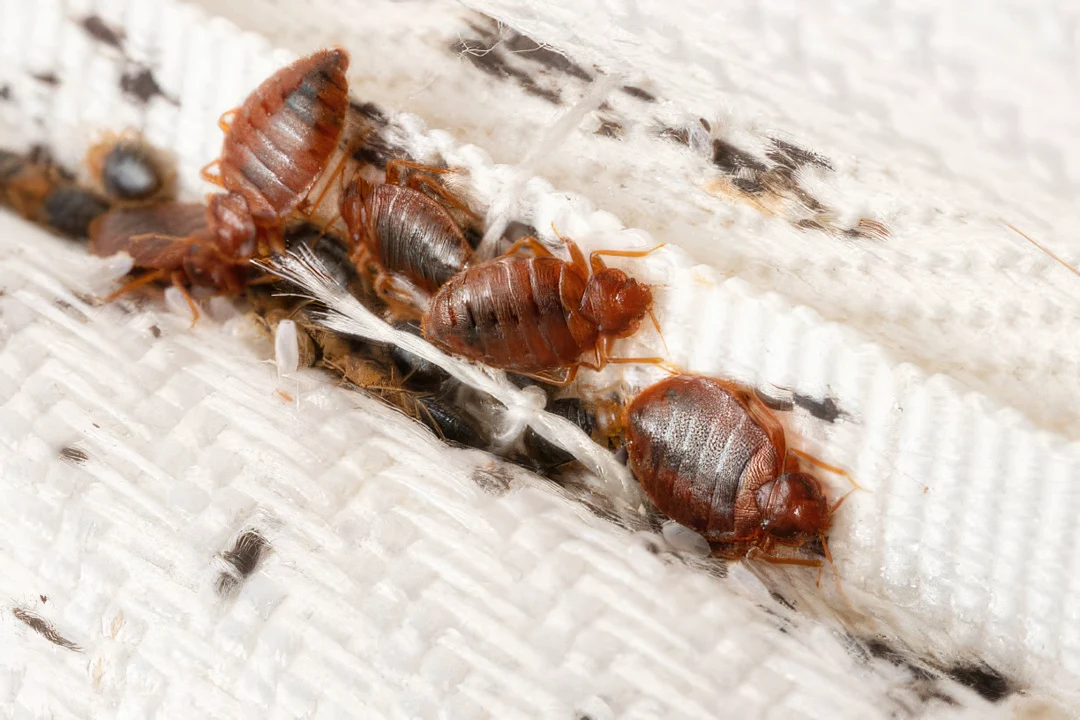
Strip the bed and inspect the piping and tags on the mattress and box spring first. That is where the earliest evidence usually shows up.
Where Bed Bugs Hide
Bed bugs are built to hide. They are flat enough to slip into any gap about the width of a credit card, which is why a surface-level look almost always misses them.
They start close to the bed: mattress seams and tags, box-spring seams, cracks in the bed frame and headboard. As an infestation grows, they spread outward into baseboards and molding, upholstered furniture seams, and even behind outlet covers, picture frames, and wallpaper. University of Kentucky entomologists note they can tuck into a space as small as the head of a screw. They cluster near where people sleep and rest, then disperse as the population climbs.
That hiding ability is exactly why bed bugs are so hard to treat, and why a thorough inspection matters more than a fast spray.
Are Bed Bugs Dangerous?
This is the first question most people ask, and the honest answer is reassuring on health and blunt on quality of life.
Bed bugs are not known to spread disease to people. The CDC and EPA both classify them as a public health pest for other reasons: bites cause itching, allergic reactions that are rarely severe, and secondary skin infections from scratching. The bigger toll is sleep and stress. Lost sleep, anxiety, and the mental strain of an infestation are real, documented effects. So while a bed bug problem is not a medical emergency, it is not something to wait out either.
How You Get Bed Bugs (It Is Not About Cleanliness)
There is a stigma around bed bugs that keeps people from asking for help. It is worth clearing up, because the shame is misplaced.
Bed bugs are hitchhikers. They travel on luggage, clothing, bedding, and furniture, and secondhand items are a common way they enter a home. As University of Kentucky entomologists put it, there is often no relationship between bed bugs and cleanliness. A spotless home and a cluttered one are equally able to host them. Hotels, apartments, dorms, and single-family homes all get them. If you have traveled, bought used furniture, or hosted overnight guests, you have had exposure, and that has nothing to do with housekeeping.
Why DIY Usually Falls Short
Plenty of homeowners try to handle bed bugs themselves first. For a true infestation, the results are usually frustrating and expensive.
Two things work against the DIY approach. First, bed bugs have grown increasingly resistant to many common pesticides, the same way some bacteria resist antibiotics. Second, they hide in places a spray never reaches. The EPA is direct that bed bug control can take weeks to months and that you often have to repeat every step to kill the bugs and their eggs, re-inspecting at least every seven days. Miss one pocket of eggs and the infestation restarts. If you want to see how these numbers add up over time, our breakdown of the 5-year cost of professional versus DIY pest control tells the story.
How Professionals Treat Bed Bugs
Professional bed bug work is built around two ideas: reach every life stage, and confirm the job is done. That is where the tools go beyond anything sold at a hardware store.
The foundation is integrated pest management, which combines inspection, non-chemical methods, and targeted EPA-registered products matched to the infestation. The strongest tool is heat. A professional whole-room heat treatment raises the air to roughly 120 to 130 degrees Fahrenheit, hot enough to kill bed bugs at every life stage, including eggs, in a single day. Store-bought sprays cannot match that reach, which is why a real infestation calls for a pro.
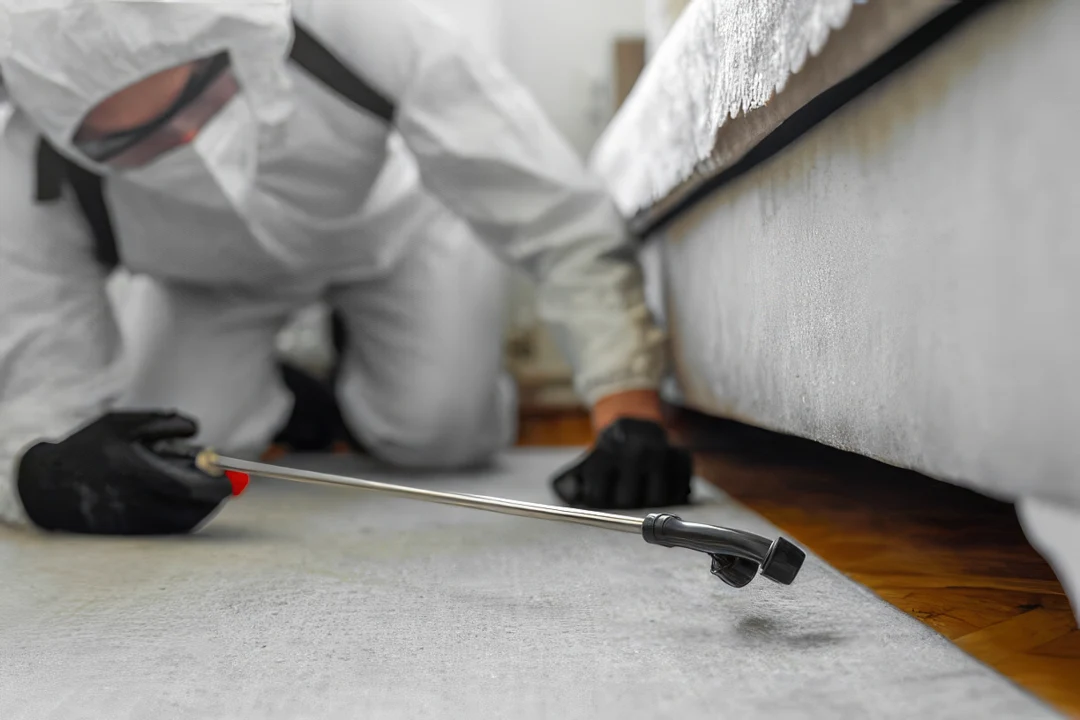
Heat has one limit worth knowing: it kills what is there but leaves no residual protection, so preventing reintroduction is part of the plan. A good provider inspects, treats, and then verifies with follow-up.
Preventing Bed Bugs
Once your home is clear, a few habits keep it that way. Prevention costs almost nothing compared to a second treatment.
When you travel, pull back the sheets and inspect the mattress seams and the head of the box spring before you unpack, and keep luggage off the bed and floor. When you get home, run travel clothing through a hot wash and a high-heat dryer, which kills any stowaways. Skip discarded mattresses and sofas left at the curb, and inspect any secondhand furniture for fecal spots before you bring it inside. Mattress encasements add another layer of defense for the room you sleep in.
How Pro-Tec Handles Bed Bugs in Mississippi and Louisiana
By the time most people call us, they have already lost sleep and tried a spray or two. Our job is to confirm what you are dealing with and clear it for good.
Pro-Tec is a Southern, community-rooted operator serving homeowners across Mississippi and Louisiana, from Brandon to Walker to Baton Rouge. We inspect first, explain what we find, and match the treatment to the infestation rather than guessing. National home-services aggregators like Angi report bed bug treatment averaging around $2,500 nationwide in 2026, but the real number depends on the home, so we give you a firm quote after an inspection rather than a scary range. If you think you have bed bugs, the fastest path to answers is a professional inspection.
Common Questions About Bed Bugs in Mississippi and Louisiana
These are the questions homeowners across Brandon, Walker, and Baton Rouge ask us most about bed bugs. If yours is not here, call and ask.
How can I tell if I have bed bugs or something else?
Look for the combination of signs, not just one. Bed bugs leave rusty or dark fecal spots on mattress seams and sheets, tiny pale shed skins, and pinhead eggs, along with the reddish-brown apple-seed-sized bugs themselves. Bites alone are not proof, since reactions vary. If you find these signs near the bed, it is very likely bed bugs.
Are bed bugs dangerous to my health?
Bed bugs are not known to transmit disease to people, according to the CDC and EPA. The real problems are itching, occasional allergic reactions, secondary infections from scratching, and lost sleep. They are classified as a public health pest because of these effects, so treatment matters, but a bed bug problem is not a medical emergency.
Does having bed bugs mean my house is dirty?
No. Bed bugs hitchhike on luggage, clothing, and used furniture and infest clean and cluttered homes alike. University entomologists note there is often no relationship between bed bugs and cleanliness. Hotels, apartments, and single-family homes all get them, so there is no reason for shame in calling for help.
Can I get rid of bed bugs myself?
For a small, freshly caught problem you can try, but an established infestation usually defeats DIY efforts. Bed bugs resist many store-bought pesticides and hide where sprays cannot reach, and the EPA notes control can take weeks to months with repeated treatment. Missing one pocket of eggs restarts the whole cycle.
How does professional heat treatment work?
A professional heat treatment raises an entire room to roughly 120 to 130 degrees Fahrenheit, hot enough to kill bed bugs at every life stage, including eggs, in one day. It reaches into the cracks and seams where bugs hide, which sprays cannot do. Heat leaves no residual protection, so preventing reintroduction is part of the plan.
How do I avoid bringing bed bugs home from a trip?
Inspect the hotel mattress seams and the head of the box spring before unpacking, and keep your luggage off the bed and floor. When you get home, wash travel clothes in hot water and dry them on high heat. Avoid discarded furniture and inspect any secondhand pieces before bringing them inside.
How much does bed bug treatment cost?
National home-services aggregators like Angi report an average around $2,500 in 2026, with a wide range depending on the home and the severity. That is a national estimate, not a local quote. The honest answer is that cost depends on the size of the infestation, so Pro-Tec provides a firm price after inspecting your home.
Think you have bed bugs? Get a straight answer fast. Pro-Tec inspects your home, confirms what you are dealing with, and clears it with treatment that reaches every life stage. No scare tactics, just a firm quote and a plan.