

Understanding Mosquito Behavior in Mississippi Yards
Quick Answer: Mississippi mosquitoes break into two behavioral groups. Aedes species (the Asian Tiger and yellow fever mosquito) hunt during the day, especially in shaded areas. Culex species (the Southern House mosquito, the primary West Nile vector) peak at dawn and dusk. CO2, body heat, and skin bacteria all matter more than blood type for determining who gets bitten.
TLDR:
- Aedes albopictus and Aedes aegypti are daytime biters. Most other mosquito species hunt at dawn and dusk. Both groups are common in Mississippi yards.
- Mosquitoes find hosts through carbon dioxide in breath, body heat (tuned to 98.6°F), 1-octen-3-ol from breath, and chemical signals from skin bacteria.
- 2024-2025 research identified Pigment-Dispersing Factor (PDF), a circadian neuropeptide, as the mechanism behind dawn and dusk peak biting.
- Three bacterial groups make up 45 to 80 percent of human skin microbiome and produce the lactic acid and ammonia that attract mosquitoes most strongly.
- A 2011 study found people with higher Staphylococcus levels were up to 4x more attractive to mosquitoes than those with lower levels.
- Blood-type preference research is contested. One widely cited 2004 Type O study was later retracted from its journal.
Why do some Mississippi backyards get hit harder than the one next door? Why does one person on a porch get bitten while the person sitting two feet away barely notices? The answer is behavioral biology, not luck, and the research has changed substantially in the past two years.
Brandon, Mississippi sits in a region where both Aedes (daytime hunters) and Culex (dawn and dusk hunters) species are widely established. Rankin County recorded a meaningful share of Mississippi’s 2024 West Nile cases, and the species mix in any local backyard matters for both treatment timing and personal protection. For the full regional control strategy, our Mississippi & Louisiana mosquito control guide covers what to do. This post covers the why.
Mosquitoes Hunt Differently Depending on Species
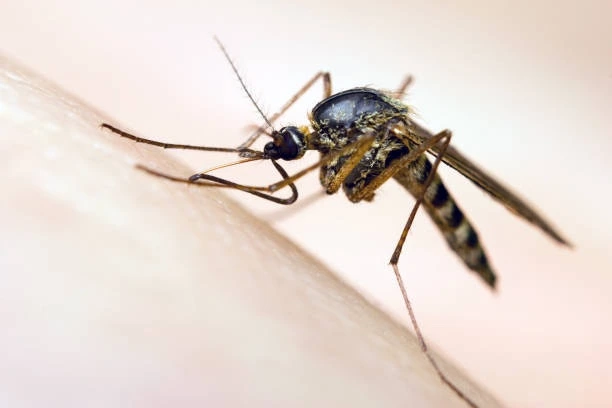
Aedes albopictus (the Asian Tiger Mosquito) and Aedes aegypti (the yellow fever mosquito) are aggressive daytime biters. Culex quinquefasciatus (the Southern House Mosquito, primary West Nile vector) and most other mosquito species are crepuscular, peaking at dawn and dusk. Mississippi yards host both groups, which is why pressure can persist most of the day during peak season.
Aedes daytime behavior puts pressure on backyard time during normal afternoon hours. Asian Tiger Mosquitoes prefer shaded areas, fly low to the ground, and bite multiple times per feeding cycle. They’re the species most homeowners describe when they say “the mosquitoes here are aggressive.” Per American Mosquito Control Association behavioral data, Aedes aegypti follows similar daytime patterns where present, but the species is less common across the Gulf South than Aedes albopictus.
Culex quinquefasciatus is the species behind West Nile transmission. It peaks at dusk and dawn, with longer CO2-trail persistence at those hours (more on this below). Anopheles quadrimaculatus, the historical malaria vector east of the Rockies, is primarily an evening biter and remains common in Mississippi despite the absence of endemic malaria.
The action implication is straightforward. Repellent application for an outdoor afternoon birthday party should target Aedes. Repellent for an evening cookout should target Culex and Anopheles. Property treatment that targets only one species’ timing leaves the other group unaddressed, which is part of why broad recurring service works better than a single seasonal spray.
How Mosquitoes Actually Find You
Female mosquitoes find hosts by detecting carbon dioxide in exhaled breath, 1-octen-3-ol (a mushroom alcohol, also exhaled), body heat, and chemical signatures from human skin bacteria. CO2 is the primary long-range cue. Body heat and skin chemistry refine the approach in the final feet.
Mosquitoes can detect a CO2 plume from over 100 feet away. Once a mosquito enters a host’s CO2 trail, body heat (tuned to about 98.6 degrees Fahrenheit, the temperature of a living warm-blooded host) guides the final approach. Objects hotter than this human-body baseline are actively avoided, which is part of why hot pavement and grills don’t attract mosquitoes despite being warm.
Recent research has changed what scientists know about why dawn and dusk are peak biting times. A 2024 PNAS study identified Pigment-Dispersing Factor (PDF), a circadian neuropeptide, as the mechanism behind the time-of-day differences in mosquito host-seeking. While mosquitoes are sensitive to CO2 throughout the day, the persistence of their search behavior (how long they keep pursuing a CO2 trail before giving up) peaks at dawn and dusk, extending to over 10 minutes versus roughly 2 minutes during midday. This circadian regulation is why a Culex mosquito at sunset will tirelessly track a homeowner across a yard, while the same species at noon often gives up and lands somewhere shaded.
That’s the biology behind a common backyard observation: dusk feels like the mosquitoes are everywhere, while midday they seem to barely notice you. Same yard. Same population. Different neuropeptide expression.
Why Some People Really Do Get Bitten More
Skin microbiome composition explains more about mosquito attraction than blood type. Three bacterial groups (Staphylococcus, Corynebacterium, and Cutibacterium) make up 45 to 80 percent of the human skin microbiome and produce the lactic acid, ammonia, and various carboxylic acids that mosquitoes find most attractive, per skin microbiome research published via PMC.
A 2011 study highlighted by Smithsonian Magazine found that individuals with higher levels of Staphylococcus bacteria (up to four times higher than less-attractive individuals) were significantly more attractive to mosquitoes. The bacterial population on the skin produces the volatile chemistry mosquitoes track in the final feet of approach.
Other reliable contributors to attraction include elevated body heat (athletes during exercise, people running fevers, individuals carrying extra body mass), elevated CO2 output (pregnant women in their third trimester exhale roughly 21 percent more CO2 than baseline), and alcohol consumption (raises body temperature and sweat lactic acid production).
Our customers ask the blood-type question more than any other behavioral question. The honest answer? The evidence is contested. A widely cited 2004 study reported that Type O blood individuals were preferred by mosquitoes nearly twice as often as Type A, but the study was later retracted from its journal, per GoodRx coverage of the research. A 2019 follow-up reported a similar Type O preference but the evidence remains contested in the literature. Skin chemistry and body heat appear to drive attraction more reliably than blood type does.
What Mosquito Behavior Means for Mississippi Yards
Two behavioral facts shape what works for Mississippi yards. First, breeding-source elimination interrupts the population for ALL species, regardless of whether they hunt by day or at dusk. Second, repellent timing and yard treatment should reflect the species mix in the yard, with daytime application when Aedes pressure is high and dusk application when Culex pressure dominates.
In practical terms for a Brandon, Mississippi backyard:
- Walk the yard biweekly during active season. Empty plant saucers, refresh bird baths weekly, clean gutters, eliminate water-holding objects (toys, tarps, tire piles). Standing water for seven days is enough to produce a new generation, regardless of species.
- Apply personal repellent timed to outdoor exposure hours. Morning yard work or afternoon kid play means Aedes-relevant timing. Evening cookouts or dusk dog walks mean Culex- and Anopheles-relevant timing. The CDC recommends repellents containing DEET, Picaridin, oil of lemon eucalyptus, or IR3535.
- Treat the perimeter, not just the air. Targeted treatment of resting sites (shaded shrubs, dense ornamental beds, fence-line vegetation, dark gutters) catches the adults from both behavioral groups. This is more effective than broad-area fogging that hits both pest mosquitoes and beneficial insects equally.
- Schedule recurring service. A quarterly 365 plan combines all of the above on a documented schedule, catching new breeding sources and new behavioral pressure as the season shifts. See our 365 protection HUB for the economic case.
If your Mississippi yard hosts both Aedes and Culex pressure (most do), a quarterly mosquito-included service plan handles both species cycles rather than treating one and ignoring the other. The species mix is exactly why one-time sprays fail. To talk it through, call (601) 938-0079 or request a free assessment online.
Common Questions About Mosquito Behavior in Mississippi
These are the behavioral questions Mississippi homeowners ask us most often during peak mosquito season. The detail above covers the biology; the answers below cover the practical follow-ups.
What time of day are mosquitoes most active in Mississippi?
Aedes albopictus and Aedes aegypti hunt during the day, especially in shaded areas. Culex quinquefasciatus (the primary West Nile vector) peaks at dawn and dusk. Most Mississippi yards host both species, so mosquito pressure can persist most of the day during peak season.
Do mosquitoes really prefer Type O blood?
The evidence is contested. A widely cited 2004 study reported Type O preference but was later retracted from its journal. A 2019 study found similar results but wasn’t definitive. Skin chemistry and body heat appear to influence attraction more reliably than blood type does.
Why do mosquitoes bite some people more than others?
Skin microbiome composition matters most. Three bacterial groups produce 45 to 80 percent of the chemicals that attract mosquitoes. People with higher Staphylococcus levels can be up to 4 times more attractive. Body heat, CO2 output (pregnancy, exercise), and alcohol consumption also raise attraction.
What attracts mosquitoes to a yard in the first place?
Standing water is the primary attractant. Mosquitoes lay eggs in any water that sits for a week or longer. Other factors include dense shade (favored by Aedes), tall grass (provides resting cover), nearby trash receptacles, and outdoor lighting positioned near doors.
Do mosquito-repellent plants like citronella actually work?
Citronella, lavender, and marigolds release scents that deter mosquitoes within a small radius. They aren’t a substitute for breeding-source elimination or personal repellent during peak biting hours. The CDC recommends DEET, Picaridin, oil of lemon eucalyptus, or IR3535 for personal protection.
Mosquito pressure in your yard is a behavioral problem with a regional solution.
Pro-Tec Pest Management’s mosquito service covers Mississippi yards with standing-water audits, targeted larvicide treatment, and timing aligned to the active species in your specific neighborhood. Recurring quarterly visits keep both Aedes daytime biters and Culex dawn-and-dusk hunters under control.
Call (601) 938-0079 to talk through your property, or request a free assessment online.