What Diseases Do Rats and Mice Spread, and How Do You Clean Up Safely?
Quick answer: Rats and mice can carry hantavirus, leptospirosis, salmonellosis, rat-bite fever and more, mostly through their urine, droppings, and saliva. The CDC says people mainly catch these diseases by breathing contaminated air. So never sweep or vacuum droppings. Wear gloves, soak the mess in disinfectant for 5 minutes, and wipe it up with paper towels.
TLDR:
- Rodents carry many diseases. The CDC lists hantavirus, leptospirosis, salmonellosis and rat-bite fever among them.
- Waste is the main risk. Urine, droppings, saliva and nesting material do most of the harm.
- Dust is how it spreads. The CDC says people mainly get sick by breathing contaminated air.
- Never sweep or vacuum droppings. Soak them with disinfectant for 5 minutes first.
- Floods raise the stakes. Leptospirosis risk often climbs after hurricanes and floods.
- Feel sick after exposure? See a doctor. Tell them about the rodent contact.
When Mississippi and Louisiana homeowners find droppings in a pantry, attic, or garage, the first instinct is to grab a broom. The diseases themselves are uncommon here, but the cleanup is where people put themselves at risk.
If you are still working out what you found, our guide to the signs of rodents in your house covers droppings, gnaw marks, and sounds. We serve homeowners from Brandon to Denham Springs, and this guide sticks to what public health agencies say.
This guide is general information, not medical advice. If you feel sick after contact with rodents or their waste, see a healthcare provider.
Finding droppings and not sure where they are coming from? Our technicians conduct a thorough inspection of your property to identify rodent entry points and nesting areas.
How Rodents Spread Disease to People
Bites are only one way rodents make people sick. Most of the risk is in what they leave behind.
The CDC’s rodent control guidance, dated April 2024, says rodents spread disease directly through handling rodents, contact with their droppings, urine, or saliva, and rodent bites. Their waste can also spread disease when people breathe in contaminated air or eat contaminated food.
Some diseases travel indirectly. The CDC notes that rodents can carry ticks, mites, or fleas that spread disease. It also warns that many diseases cause no visible illness in rodents, so “you cannot tell if a rodent is carrying a disease just by looking at it.”
The CDC adds that an infestation in and around the home “is the main reason disease spreads from rodents to people.” That puts the focus on the house, which is where the next section starts.
Rodent-Borne Diseases to Know About
The CDC’s list of diseases spread directly by rodents is long, but a few of them matter most to homeowners in the United States. Here is how the main ones compare.
| Disease | How people get it | What CDC pages say |
|---|---|---|
| Hantavirus pulmonary syndrome | Contact with rodent urine, droppings, and saliva; breathing stirred-up virus | Symptoms usually start 1 to 8 weeks after contact |
| Leptospirosis | Water or soil containing urine from infected animals, including rodents | Risk often rises after a hurricane or flood |
| Salmonellosis | Swallowing the bacteria, including from food contaminated by animal waste | Listed by the CDC as a disease rodents spread directly |
| Rat-bite fever | Bites, scratches, or contact with a rodent’s saliva or pee | Rare in the U.S.; symptoms usually start 3 to 10 days after contact |
| Flea- and tick-borne diseases | Bites from fleas, ticks, or mites that fed on infected rodents | The CDC lists plague, murine typhus, and Lyme disease among them |
Each one has its own CDC page, covered below. None of this is a reason to panic, but it is a strong reason to handle rodent waste carefully.
Hantavirus
Hantavirus is the one most people have heard of. The CDC’s hantavirus overview says people get it “from contact with rodents like rats and mice, especially when exposed to their urine, droppings, and saliva.” In the United States, the most common hantavirus that causes hantavirus pulmonary syndrome is spread by the deer mouse.
The CDC’s hantavirus prevention page explains how the virus gets into the air: when fresh urine, droppings, or nesting materials are stirred up, people can breathe it in. The overview calls the disease “severe and potentially deadly” and says early symptoms can include fatigue, fever, and muscle aches.
It is also rare, and most cases happen out West. The CDC’s reported hantavirus case data counts 890 U.S. cases from 1993 through the end of 2023, with 94% occurring west of the Mississippi River. Rare is not zero, so the cleanup rules still apply in every state.
Leptospirosis
Leptospirosis is the one Gulf South homeowners should know. The CDC’s leptospirosis page, updated in February 2026, says the bacteria spread through the urine of infected animals, including rats and mice, and “can survive in contaminated water or soil for weeks to months.”
The CDC says leptospirosis risk “often increases after a hurricane or flood when people have contact with contaminated water or soil.” Symptoms can include fever, headache, muscle aches, vomiting, and yellowed skin and eyes. The CDC says to see a healthcare provider right away if you think you may have it, because it is treated with antibiotics.
Salmonellosis and Rat-Bite Fever
Salmonellosis is on the CDC’s list of diseases rodents spread directly. The CDC’s Salmonella overview says people get infected after swallowing the bacteria, including by “touching animals, animal poop, and the places animals live and roam.” That is one reason the CDC rodent guidance names contaminated food as a path of spread.
Rat-bite fever is rarer. The CDC’s rat-bite fever page says it spreads through scratches, bites, or contact with a rodent’s saliva or pee, and that “RBF is rare in the United States.” If you were bitten or scratched and develop symptoms, the CDC says to seek medical care immediately.
Why Mississippi and Louisiana Homes Should Take Floodwater Seriously
Floods do not just damage homes. They move rodents and spread what rodents leave behind.
The CDC’s post-disaster rodent message says that after a natural disaster, surviving rats and mice “move to new areas in search of food, water, and shelter.” The CDC’s leptospirosis page adds that animal urine in soil can get into floodwater and rainwater.
Louisiana has seen this up close. A 2017 CDC report on leptospirosis after flooding in Louisiana describes two patients hospitalized with leptospirosis about a month after the August 2016 flooding in south-central Louisiana. Both had been exposed to floodwater, and both recovered after treatment.
To keep that in perspective, the Louisiana Department of Health’s 2023 leptospirosis annual report calls the disease’s prevalence low, with fewer than ten cases reported a year and only one Louisiana case in 2023. The takeaway is caution after storms and floods, not alarm.
The Cleanup Mistakes That Raise Your Risk
Most of the risk at home comes down to how you clean up. These are the mistakes the CDC specifically warns against.
Sweeping or vacuuming first. The CDC’s rodent cleanup guidance says “Diseases are mainly spread to people from rodents when they breathe in contaminated air.” It tells you not to vacuum or sweep rodent urine, droppings, or nesting materials, because “this can cause tiny droplets containing viruses to get into the air.”
Skipping the soak. The CDC says to spray urine and droppings with a bleach solution or an EPA-registered disinfectant until very wet, and let it soak for 5 minutes or as the label directs. Its bleach mix is 1.5 cups of household bleach in 1 gallon of water, made fresh.
Cleaning bare-handed or in a closed room. The CDC calls for rubber or plastic gloves. In homes, sheds, and outbuildings, it says to open all doors and windows for 30 minutes before cleaning and leave the area during that time.
Forgetting the fleas. The CDC notes that fleas are common on rodents. It suggests insect repellent such as DEET on clothing, shoes, and hands when picking up dead rodents or nesting material.
Cleaning up the same mess again and again? Repeat droppings usually mean rodents are still getting in. We combine trapping, baiting, and exclusion, and we seal off entry points.
How to Clean Up After Rodents, Step by Step
The CDC lays out a clear order of operations. Follow it in sequence, and do not skip ahead to the paper towels.
Steps 3 and 4 are where people slip. The soak comes before any wiping, and nothing gets swept or vacuumed.
Dead Rodents and Traps
The CDC handles dead rodents and nests the same way: spray the rodent, nest, and surrounding area with disinfectant and let it soak for 5 minutes. Place it in a plastic bag, tie it shut, and seal that bag inside a second bag before it goes in a covered trash can.
Snap traps can be reused. The CDC says to submerge the trap with the rodent in disinfectant for 5 minutes, drop the rodent into a bag, then rinse the trap and let it dry completely.
Bedding, Carpets, and Things You Cannot Wipe
Porous items need different handling, and the CDC covers each one. Use this as a quick reference after the hard surfaces are done.
| Item | CDC guidance |
|---|---|
| Bedding, clothing, stuffed animals | Launder in hot water with detergent; machine dry on high or air dry in the sun |
| Rugs and upholstered furniture | Shampoo with a commercial disinfectant, or use a commercial-grade steam cleaner or shampoo |
| Books and papers | Leave outdoors in sunlight for several hours, or in a rodent-free indoor area for at least three weeks (six is strongly suggested) |
| Cardboard boxes with urine or droppings | Throw them away; plastic, glass, and metal containers can be disinfected |
| Contaminated insulation | Bag it for removal |
If a pile of contaminated storage is involved, the CDC says to move it outside to a well-ventilated area exposed to direct sunlight.
When to Call a Doctor, and When to Call a Pro
This is the part to take most seriously. Two kinds of help apply here, and they do different jobs.
Call a healthcare provider if you feel sick after rodent contact. The CDC says to talk to a healthcare provider if you think a recent illness may be due to a rodent-borne disease, and to tell them about any exposure to rodents. For suspected hantavirus, it says to “see a physician immediately and mention a potential rodent exposure.”
Call a pest professional when the problem is bigger than one cleanup. The CDC recommends “a professional rodent exterminating service” when rodents have gotten into heating and cooling ducts. It also calls for added protective gear for heavy infestations, including coveralls, goggles, and a HEPA-filter respirator.
A professional is also the right call when droppings keep coming back. Cleanup removes the waste, but it does nothing about how rodents are getting in. To decide which gaps you can close on your own, read our guide on sealing your home yourself or with a pro.
How Pro-Tec Helps Stop the Source
We cannot treat a rodent-borne illness, and we will never tell you to skip the doctor. What we can do is help keep rodents out of the house in the first place.
Our rodent control service starts with a thorough inspection of your property to identify rodent entry points and nesting areas. From there we create a customized treatment plan that includes trapping, baiting, and exclusion techniques, and our team seals off entry points. We also offer ongoing support and advice to help you keep it that way.
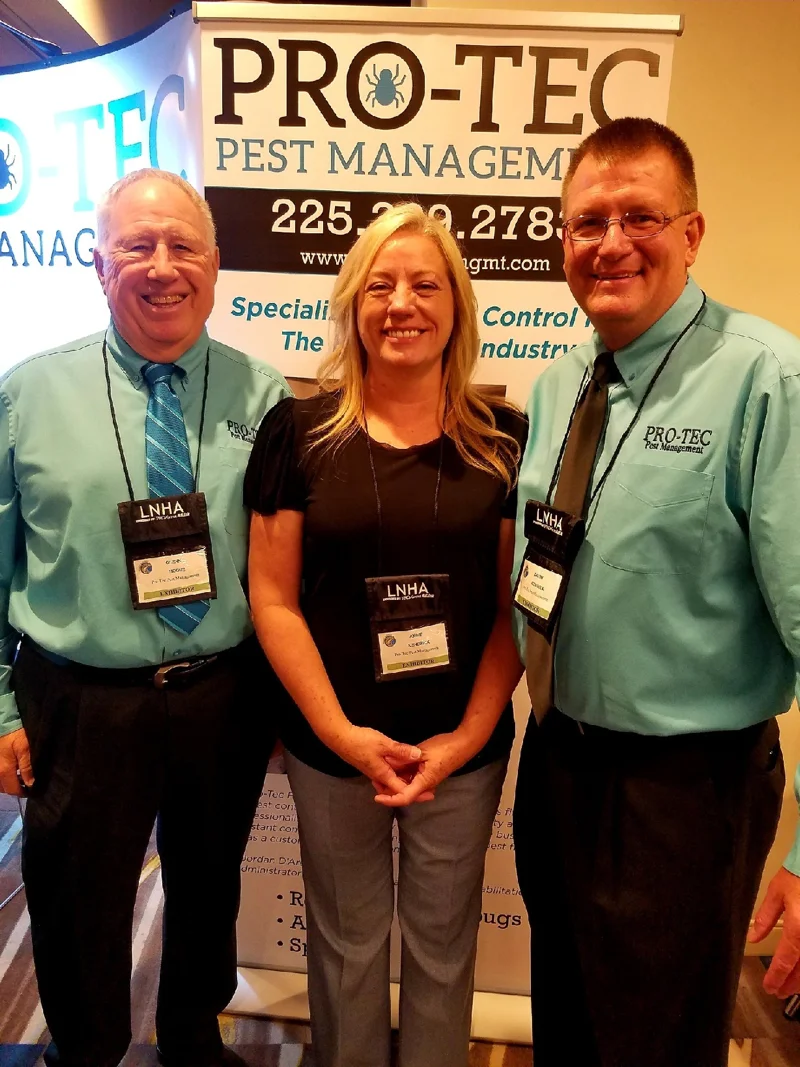
Our owner and operator, Danny Kendrick, brings over 30 years of hands-on experience, and you can meet the Pro-Tec Pest Management team serving Mississippi and Louisiana.
Common Questions About Rodent-Borne Diseases and Cleanup
These are the questions homeowners ask most after finding droppings. Every answer comes from CDC guidance, and none of it replaces a visit to your doctor.
Can you get sick from mouse droppings?
Yes, you can. The CDC says rodent droppings, urine, and saliva can spread disease when people breathe in contaminated air or eat contaminated food. Hantavirus spreads mainly through contact with rodent urine, droppings, and saliva. The risk is highest when dried waste is disturbed, which is why the CDC says never to sweep or vacuum it.
Should I vacuum or sweep rodent droppings?
No. The CDC says not to vacuum or sweep rodent urine, droppings, or nesting materials, because it can put tiny droplets containing viruses into the air. Spray the area with disinfectant or a bleach solution until very wet, let it soak for 5 minutes, then wipe it up with paper towels.
What bleach mix does the CDC recommend for rodent cleanup?
The CDC recommends 1.5 cups of household bleach in 1 gallon of water, which is 1 part bleach to 9 parts water. Make it fresh before use. A household product labeled as a disinfectant also works. Spray until very wet and let it soak for 5 minutes or as the label directs.
What are the first symptoms of hantavirus?
The CDC says early symptoms of hantavirus pulmonary syndrome can include fatigue, fever, and muscle aches. They usually start 1 to 8 weeks after contact with an infected rodent. If you suspect hantavirus, the CDC says to see a physician immediately and mention a potential rodent exposure. Do not wait it out.
Is leptospirosis a risk after flooding in Louisiana and Mississippi?
It can be. The CDC says leptospirosis risk often increases after a hurricane or flood, because animal urine in soil can get into floodwater. A CDC report described two leptospirosis cases after the 2016 south-central Louisiana flood. Cover cuts with waterproof bandages, wear waterproof boots, and avoid wading in floodwater when you can.
When should I call a professional instead of cleaning up myself?
Call a pest professional when droppings keep coming back, when rodents have gotten into heating and cooling ducts, or when the infestation is heavy. The CDC recommends a professional rodent exterminating service for duct problems and extra protective gear for heavy infestations. If you feel sick, call your doctor first.
Ready to stop cleaning up after rodents? We find how they are getting in, seal off those entry points, and offer ongoing support after the first treatment.