What Mississippi and Louisiana Homeowners Need to Know About Mosquito Control
Quick Answer: Mississippi reported 59 confirmed West Nile cases and 8 deaths in 2024, with 26 of 52 cases concentrated in Madison, Rankin, and Hinds counties. Louisiana confirmed its first 2025 West Nile case in Livingston Parish. Effective mosquito control in the Gulf South combines standing-water elimination, targeted larvicide treatment, and quarterly recurring service. Reactive one-time spraying alone does not solve the problem.
TLDR:
- Mississippi reported 59 confirmed West Nile cases and 8 deaths in 2024, the state’s worst year on record and 5th-highest in the US. Louisiana confirmed its first 2025 case in Livingston Parish.
- Three counties (Madison, Rankin, Hinds) accounted for 26 of 52 Mississippi cases as of October 2024. Rankin County is Pro-Tec’s home base.
- Six mosquito species drive most pest pressure in MS and LA: Culex quinquefasciatus, Aedes albopictus, Aedes aegypti, Aedes vexans, Anopheles quadrimaculatus, and the salt marsh mosquito.
- A complete mosquito life cycle runs as fast as 7 to 10 days in Gulf South summer heat. Standing water for that long is enough to produce a new generation.
- EPA and CDC both favor targeted larvicide treatment of standing water over broad-area spraying. Pro-Tec follows an integrated approach.
- Quarterly recurring service costs less per year than reactive emergency calls and protects continuously through peak season.
What does it actually take to keep a Mississippi or Louisiana yard livable through mosquito season? Not what the home-store aisle suggests. The 2024 mosquito year in Central Mississippi was the worst in recent memory. Rankin County (Pro-Tec Pest Management’s home base) was one of three counties that together produced half the state’s confirmed West Nile cases. Across the state line, Livingston Parish became the site of Louisiana’s first 2025 West Nile case in June of last year. Pro-Tec serves both areas.
The 2024 jump in Mississippi cases (from 37 in 2023 to 59 in 2024, with deaths rising from zero to eight) made it plain that backyard mosquito pressure in the Gulf South is no longer just a comfort issue. It’s a public-health one. We’ve watched the local case map shift over the past two seasons from our service routes through Brandon, Pearl, Flowood, and into Livingston Parish. Here’s what every Mississippi and Louisiana homeowner should understand, and what we recommend doing about it.

Want to skip ahead and have us walk your property? Call Mississippi (601) 938-0079, Louisiana (225) 369-2783, or request a service visit online.
Why Mosquitoes Are Different in the Gulf South
Mississippi and Louisiana host six mosquito species responsible for most homeowner pest pressure and most documented disease transmission in the region, per joint guidance from the Mississippi State University Extension Service and the LSU AgCenter. Climate, geography, and standing-water availability make the Gulf South one of the country’s most active mosquito regions. The active mosquito season here runs effectively May through October, with a winter rest period shorter than almost any other US region.
The six species you should know:
- Culex quinquefasciatus, the Southern House Mosquito. Primary West Nile Virus vector in both states. Peaks at dusk and dawn. Common in urban and suburban yards.
- Aedes albopictus, the Asian Tiger Mosquito. Aggressive daytime biter. Invasive, now established across the Gulf South.
- Aedes aegypti, present along the Gulf Coast. Yellow fever and dengue vector globally; daytime biter.
- Aedes vexans, the Inland Floodwater Mosquito. Population explodes after heavy rain, especially in Louisiana.
- Anopheles quadrimaculatus, the Malaria Mosquito. Principal malaria vector east of the Rockies (malaria itself is no longer endemic to MS or LA, but the species remains common).
- Salt marsh mosquito (Ochlerotatus sollicitans), found along coastal Louisiana and the Mississippi Gulf Coast.
A complete mosquito life cycle runs in just 10 days at 80 degrees Fahrenheit, per EPA mosquito life-cycle data. Gulf South summer heat sits at or above that mark from May through September, which means a population that survives in standing water for a single week becomes next week’s biting swarm. National competitor pages that lump the southeast together miss this point. The species mix here demands its own playbook, with treatment timing matched to the local cycle. That’s the throughline this guide tries to make practical.
West Nile, EEE, and the Real Disease Risk in Mississippi and Louisiana
Mississippi recorded 59 confirmed West Nile Virus cases and 8 deaths in 2024, ranking fifth nationally for case count and producing the worst single-year death toll the state has reported in recent memory, per reporting from Mississippi Free Press. Louisiana ranks ninth historically (1999 through 2024). Mississippi ranks tenth historically, per the CDC’s historic West Nile data dashboard. Both states sit in the top tier of US West Nile risk.
The 2024 jump in Mississippi was severe. Reporting from WLBT (October 2024) documented the state moving from 37 cases with no deaths in 2023 to 59 cases with eight deaths in 2024. As of October 22, 2024, three Central Mississippi counties (Madison, Rankin, and Hinds) accounted for 26 of the 52 cases recorded by that point in the season. Pro-Tec’s home county of Rankin was one of them.
Beyond the Central Mississippi cluster, Louisiana confirmed its first 2025 West Nile case in Livingston Parish on June 25, per WWL-TV reporting. Pro-Tec also services Livingston Parish, and our fall pest prevention checklist for Livingston Parish homeowners covers the autumn rollover from mosquito season into rodent season. Across the broader US in 2025, 771 cases were reported across 39 states, with 490 categorized as neuroinvasive (the more serious form that produces meningitis or encephalitis). Eastern Equine Encephalitis is rarer but present in Gulf states. Both states remain firmly inside the high-risk zone, and the trend line for Mississippi is going the wrong direction.
So what should a Brandon homeowner take from those numbers? The Central Mississippi cluster wasn’t an anomaly. It was a confirmation. Local mosquito pressure produces local disease cases. The 59% rise in confirmed cases from 2023 to 2024 isn’t a national statistic. It’s a Rankin County one. Whatever changed, it changed close to home.
The Mosquito Life Cycle and Why Timing Matters
Mosquitoes complete their full life cycle in as little as 7 to 10 days in Gulf South summer heat. Any standing water that sits for a week can produce a new generation. Eggs hatch in 24 to 48 hours. The larval stage lasts 4 to 14 days. The pupal stage runs 1 to 4 days. Per life-cycle data from the American Mosquito Control Association, the entire cycle takes about 10 days at 80 degrees and roughly 14 days at 70 degrees.
The practical implication is straightforward. A one-time mosquito spray kills the adults present in the yard at treatment time. It does nothing to the eggs and larvae developing in standing water that the homeowner hasn’t yet found. Within 10 days of the spray, the population’s back. This is why effective mosquito control starts with the breeding source, not the adults.
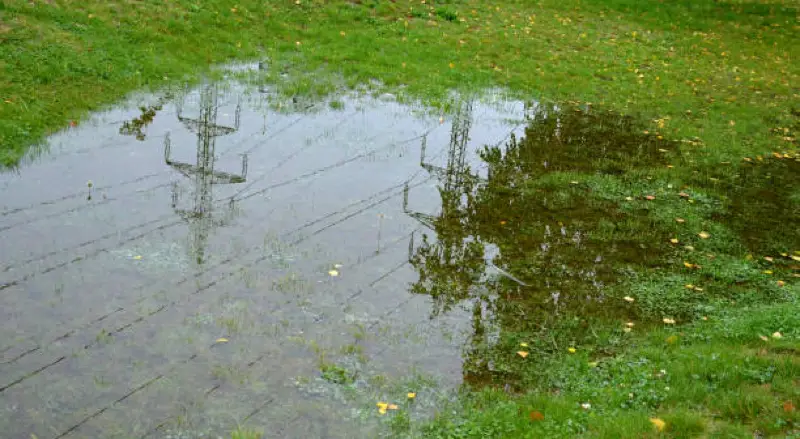
If you walk a Mississippi yard right now (it’s late May as we publish this), how many sources can you count? Plant saucers, the kid’s wading pool from last weekend, the gutter the leaf blower didn’t reach, the tarp draped over the lawn-mower. Each one’s a candidate. The cycle math says the larvae present this week are biting next week.
What Actually Works for Mosquito Control (Standing Water First)
The EPA and CDC both rank targeted larvicide treatment of standing water above broad-area adult spraying, per the EPA integrated mosquito management framework. The first move in any effective mosquito control program is standing-water elimination. Pro-Tec’s regional service approach reflects this priority order, in this sequence:
Step 1: Standing-water audit. Walk the property every two weeks during active season and empty or remove every water source. Common culprits include gutters with leaf clogs, plant saucers, old tire piles, bird baths (refresh weekly), tarps with low spots, retention pond edges, AC condensate drip pans, kids’ toys left in the yard, and even bottle caps in flower beds. Five minutes of audit work prevents more mosquitoes than an hour of spraying.
Step 2: Larvicide treatment. For water that can’t be eliminated (retention ponds, rain barrels in active use, ornamental water features), an EPA-registered larvicide like Bti (Bacillus thuringiensis israelensis) treats the larvae directly. Per EPA Bti guidance, Bti remains effective from 24 hours to over one month, depending on formulation and water conditions. It carries no toxicity to humans, pets, or beneficial insects, which makes it the right product for koi ponds, rain gardens, and bird baths a homeowner doesn’t want to empty.
Step 3: Targeted adult perimeter treatment. Once the breeding source is under control, treatment of yard perimeter shrubs, ornamental plants, and shaded resting areas catches the adults that fly in from outside the property. This is targeted, not broad-area fogging. Most home-store products skip the resting-site logic entirely and apply over the open lawn, where adult mosquitoes aren’t actually spending their downtime. Professional perimeter work follows the shade.
Step 4: Personal protection. For high-exposure outdoor hours (dusk for Culex, daytime in shade for Aedes), the CDC recommends repellents containing DEET, Picaridin, oil of lemon eucalyptus, or IR3535. Citronella plants and tiki torch oils provide minimal personal protection. They’re pleasant for ambience, not a substitute.
The order matters. Skipping Step 1 and going straight to Step 3 produces the spray-and-resurge cycle most homeowners describe when they ask us why “the mosquitoes always come back.”
Why DIY Mosquito Sprays Underperform in Gulf South Yards
Home-store mosquito sprays kill adults that happen to be in the yard during application. They don’t reach the breeding sites where the next generation is developing. Without standing-water elimination and larvicide, the population rebounds within seven to ten days during peak season. That’s not the spray’s fault. It’s the timing math: a 10-day life cycle and a homeowner who treats every 30 days produces 20 days of biting per month.
Wide-area home foggers and bug zappers face the same problem and have limited effectiveness data behind them. Lawn-spray DIY products often lack labeled mosquito-target species and rarely match the application precision a licensed applicator achieves. The result is a treatment that feels productive but resets to baseline within two weeks.
Mosquito-repellent plants are popular in Mississippi and Louisiana garden centers. Citronella, lavender, and marigolds offer modest scent-based deterrence within a few feet of the plant itself. They’re a fine garden choice. They’re not a yard-wide control measure.
Is DIY worthless? No. The standing-water audit (Step 1 above) is exactly the kind of work a homeowner should do every two weeks. It’s the single highest-impact move available, and it costs nothing. Where DIY breaks down is Steps 2 through 4, where product selection, application timing, and treatment-site identification each require either training or product access most homeowners don’t have. That’s the gap a professional service fills.
Why Quarterly Recurring Service Beats Reactive Spray Calls
Mosquito populations rebuild from new breeding sites within 7 to 10 days during Gulf South summer. A one-time spray treats today’s adults but leaves tomorrow’s eggs alone. Quarterly recurring service interrupts the life cycle continuously and catches new breeding sources at every visit.
The math favors recurring plans across both effectiveness and cost. Per National Pest Management Association data via Catseye Pest, preventive treatment plans are 65 to 80 percent more effective than reactive treatment at maintaining a pest-controlled environment. Homes on recurring plans report 90 percent fewer emergency pest sightings than homes that rely on reactive one-time treatments.
For mosquito-specific service in MS and LA, here’s how the quarterly cadence lines up with the local season:
- Spring visit (March-April). Post-winter standing-water audit, pre-season larvicide application to known breeding sites, perimeter treatment as Aedes activity ramps up.
- Summer visit (June-July). Mid-season audit catches new water sources from spring storms. Larvicide refresh on standing water. Perimeter treatment scaled to peak Culex pressure.
- Fall visit (September-October). Tail-end mosquito treatment plus pivot to seasonal pest pressure (the transition window where rodents start moving toward warmer indoor spaces).
- Winter visit (December-January). Property-wide harborage check, ovipositing-site audit, and exclusion work on entry points before the next mosquito cycle starts.
Year-round 365 coverage means a property is never starting from zero. The first day of mosquito season finds Pro-Tec customers already two visits ahead. That’s the difference our existing customers describe most consistently. To talk through what 365 coverage would look like at your address, request a property assessment or call Mississippi (601) 938-0079 / Louisiana (225) 369-2783.
Mississippi and Louisiana Service Areas
Pro-Tec Pest Management operates out of Brandon, Mississippi and covers Central Mississippi and Louisiana under one regional brand. Mississippi service areas include Brandon and the broader Rankin County, Jackson, Madison, Pearl, Flowood, and surrounding Hinds County and Madison County communities. Louisiana coverage extends to Baton Rouge, Walker, Denham Springs, Livingston Parish, and Ascension Parish.
If you want neighborhood-level guidance, the spokes under this hub walk through the same standing-water audit and treatment timing with local specifics. The Brandon, Mississippi mosquito-free home guide and the Walker, Louisiana mosquito-free home guide both target the residential specifics for those areas. The companion spoke on Mississippi mosquito behavior digs into the species biology and host-finding science behind why some yards get hit harder than others.
Common Questions About Mosquito Control in Mississippi and Louisiana
These are the questions Mississippi and Louisiana homeowners ask us most often during peak mosquito season. The short answers below cover what to do; the sections above cover the why.
How often should I treat my yard for mosquitoes in Mississippi or Louisiana?
Standard professional treatment runs every 21 to 30 days during active mosquito season (May through September in the Gulf South). Pro-Tec’s quarterly 365 protection plan extends treatment through shoulder seasons when mosquito activity stays high, with monitoring and standing-water audits at every visit.
What’s the most dangerous mosquito species in Mississippi?
Culex quinquefasciatus (the Southern House Mosquito) is the primary West Nile Virus vector in Mississippi and Louisiana. Aedes albopictus (Asian Tiger) is the most aggressive daytime biter. Both are widely established across the Gulf South, and most homes face pressure from both species at once.
Does mosquito spraying actually work?
Adult mosquito sprays kill mosquitoes present at treatment time but don’t reach larvae developing in standing water. Without standing-water elimination and larvicide treatment, sprayed adults are replaced within 7 to 10 days. Spraying alone is symptom treatment, not source control. EPA and CDC both favor an integrated approach that starts with the breeding source.
How long does professional mosquito treatment last?
A properly applied perimeter treatment lasts 21 to 30 days under typical Gulf South conditions. Heavy rain shortens the window. Bti larvicide treatments of standing-water sources last 24 hours to over one month, depending on formulation and water conditions, per EPA Bti guidance.
What time of day are mosquitoes most active in Mississippi and Louisiana?
Culex species feed primarily at dusk and dawn. Aedes albopictus (Asian Tiger) is an aggressive daytime biter, particularly in shaded areas. This is why personal repellent timing matters, and why properties with both species need year-round coverage rather than seasonal-only treatment. The CDC recommends DEET, Picaridin, oil of lemon eucalyptus, or IR3535 for personal protection.
Are mosquito-repellent plants worth planting?
Citronella, lavender, marigolds, and similar plants release scents that mildly deter mosquitoes within a small radius. They aren’t a substitute for treatment of breeding sources or for personal repellent use during peak biting hours. Plant them for ambience, not as primary protection.
How much does professional mosquito control cost in Mississippi or Louisiana?
Costs vary by property size, infestation severity, and whether mosquito coverage is bundled into a broader 365 protection plan or sold as a standalone seasonal service. Recurring quarterly plans typically deliver lower per-month effective cost than reactive one-time treatments once callbacks are factored in. We’ll quote your specific property after a free assessment.
Stop fighting the same mosquitoes every weekend.
Pro-Tec Pest Management’s quarterly 365 protection covers Mississippi and Louisiana homes with standing-water audits, EPA-registered larvicide treatment, and targeted perimeter coverage. Year-round monitoring catches new breeding sources before they become next month’s swarm.
Call Mississippi (601) 938-0079 or Louisiana (225) 369-2783 to talk through your property, or request a free assessment online.